
 GB/T 93
Normal-Type Spring Lock Washer
Normal-type single-coil spring lock washers in Φ1.6–Φ48, with material, finish and elasticity requirements confirmed in the RFQ.
View dimensionsIndustrial Washers · RINGRHINO
A focused range of GB/T 93, GB/T 96, GB/T 97, GB/T 852 and GB/T 853 washers, with clear standards, hardness levels, dimensions and RFQ information.
GB/T 97 Plain Washer. 1 of 5
Products / 01
Common washer structures organised by product standard, hardness or material state, dimensions and application.
GB/T 93GB/T 93
Normal-type single-coil spring lock washers in Φ1.6–Φ48, with material, finish and elasticity requirements confirmed in the RFQ.
View dimensions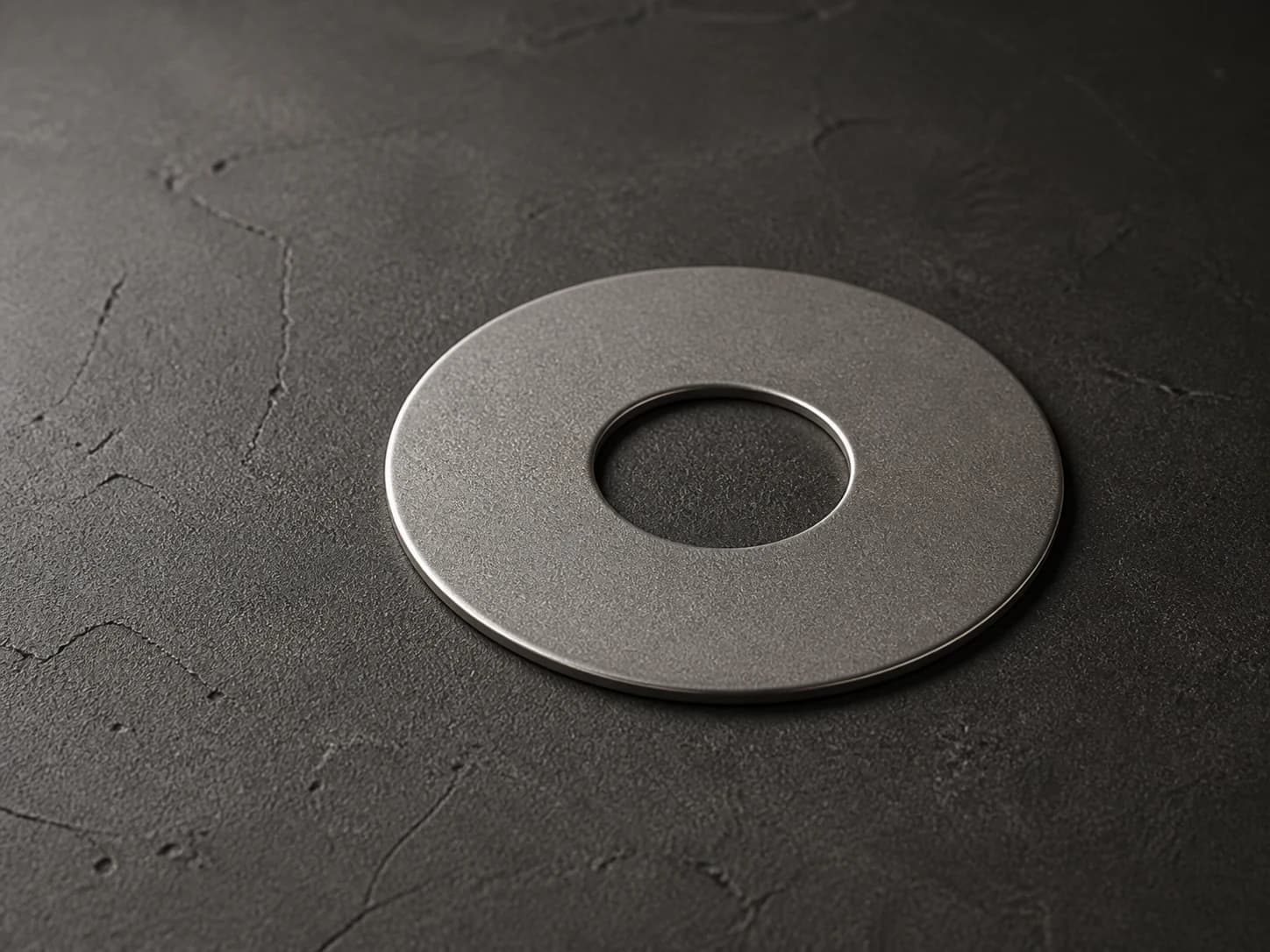 GB/T 96
Large-series plain washers in Φ3–Φ36, available in 140HV and 200HV.
View dimensions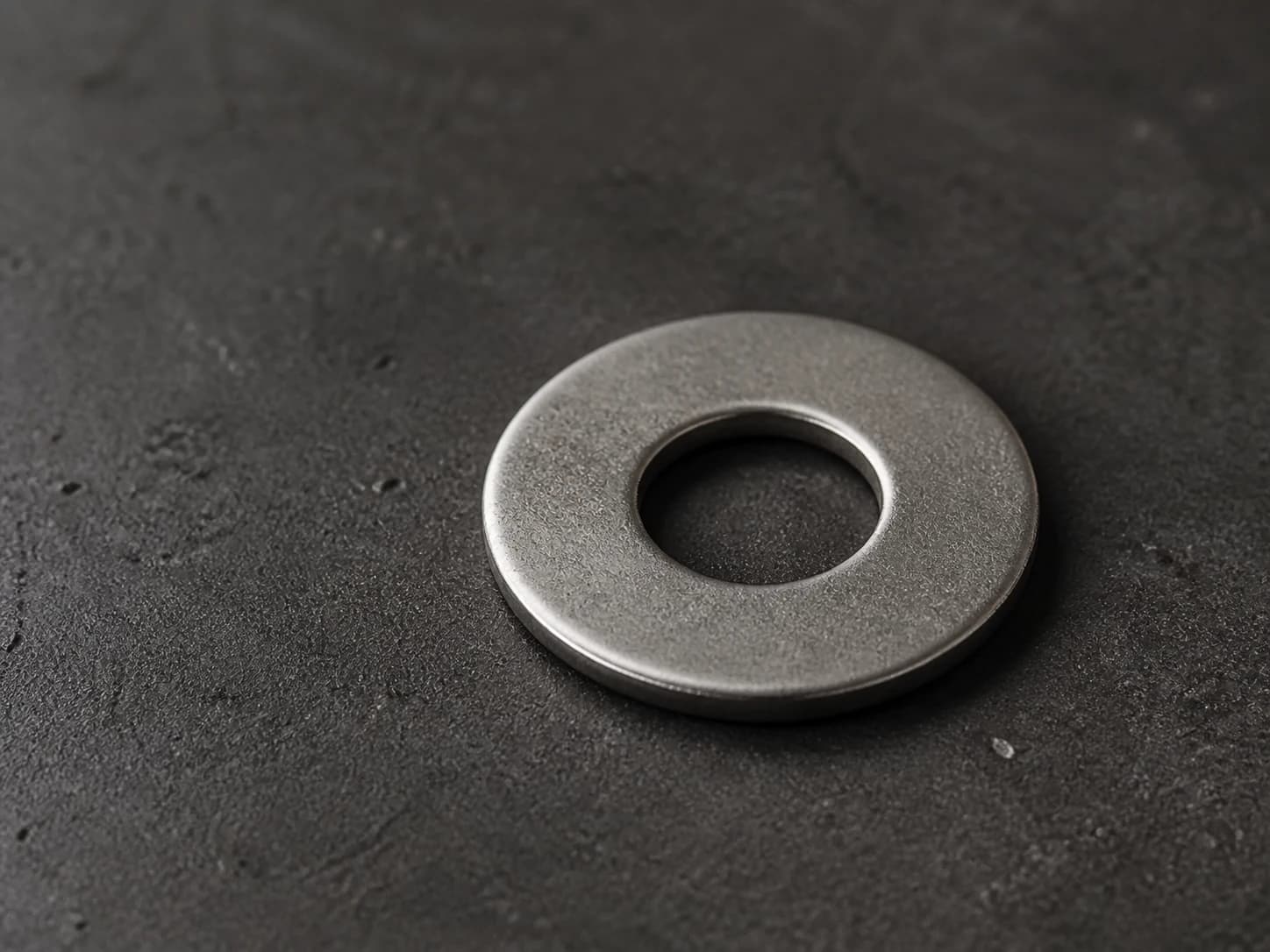 GB/T 97
Normal-series plain washers available in 140HV, 200HV and 300HV, with a nominal range of Φ1.6–Φ64.
View dimensions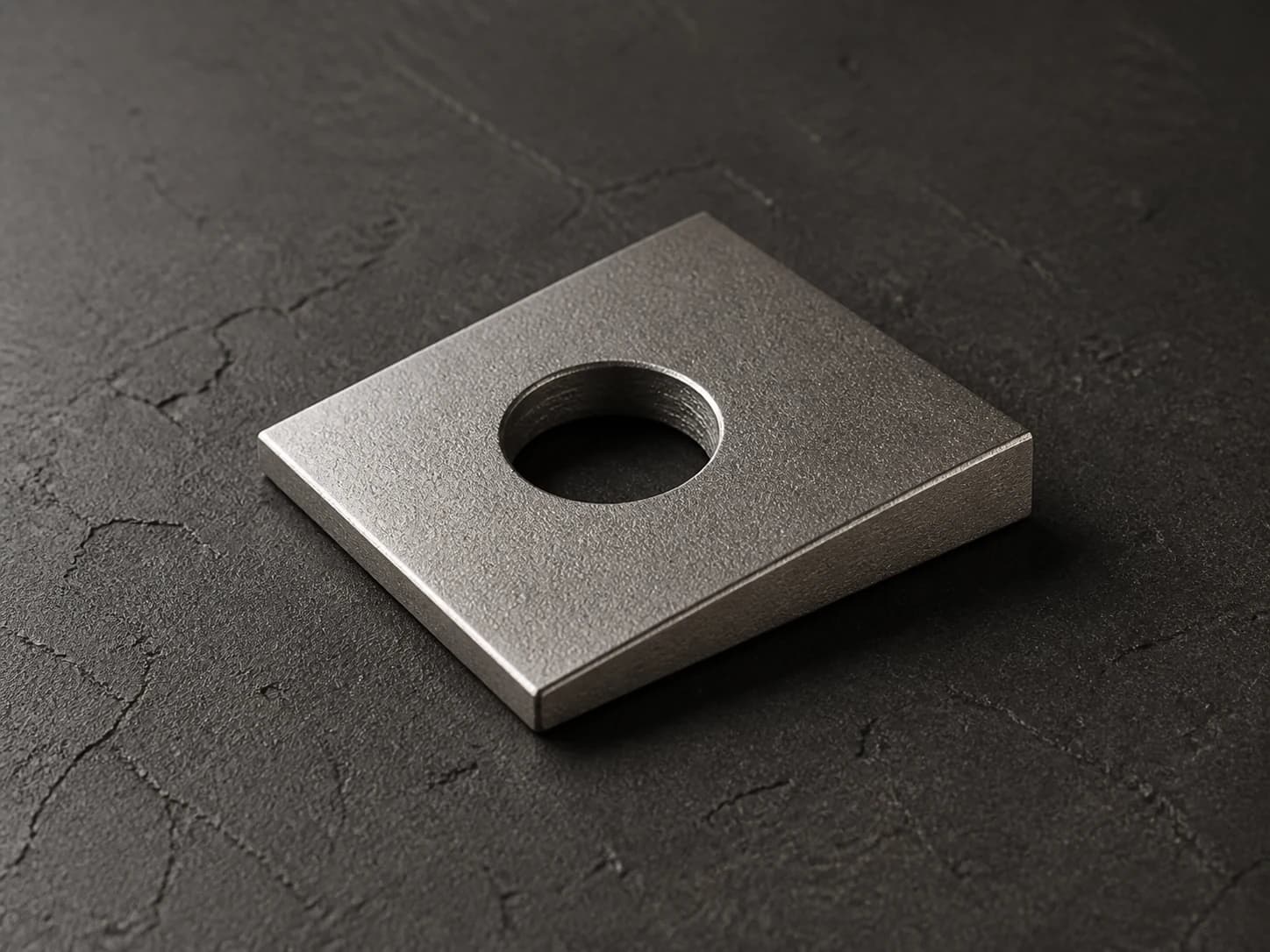 GB/T 852
Square taper washers for I-sections, with a square tapered form and an M6–M36 nominal range.
View dimensions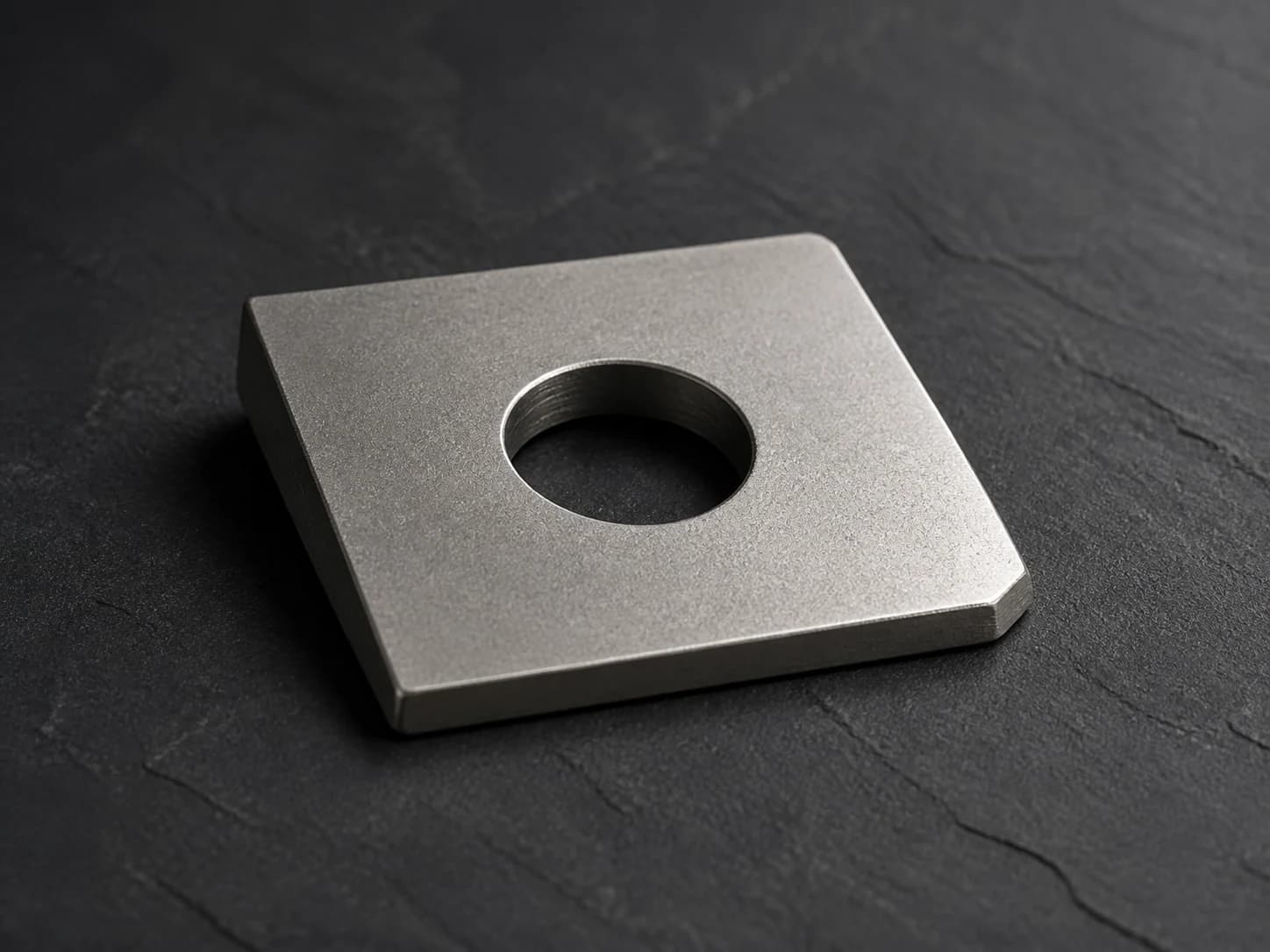 GB/T 853
Square taper washers for channels and U-sections, with a square tapered form and an M6–M36 nominal range.
View dimensionsRINGRHINO / Our Approach
A focused range of industrial washers. Clear standards, dimensions and finishes — for a more considered selection.
Discover Our Approach
Hardness / 02
Select 140HV, 200HV or 300HV together with the product standard, nominal size, material and connection requirement.
Surface Finishes
Choose the finish to suit your application.
Explore how each finish is made and what it offers.Black oxide is a chemical conversion process that forms a black oxide film on iron or steel. It retains the underlying metal texture and is commonly followed by oiling, waxing or sealing.
The thin conversion film has little effect on dimensions and suits mechanical parts requiring a dark finish. Corrosion protection depends largely on the subsequent oil or sealant layer.
Yellow zinc uses coloured passivation over an electroplated zinc layer, producing yellow, gold or iridescent tones. Zinc remains the underlying protective layer; the passivation film creates the surface colour.
It combines a distinctive metallic appearance with corrosion protection. Colour intensity does not indicate a corrosion-resistance grade; performance depends on the complete coating and post-treatment system.
Mechanical zinc plating tumbles parts with zinc powder, glass beads and process chemicals in a barrel. The beads repeatedly impact the surface, building a mechanically bonded zinc coating with a typically matt grey appearance.
Deposition does not use an electric current and is suited to small parts such as washers and fasteners. Coverage depends on geometry and access for the beads, so deep holes and recesses can be difficult to coat evenly.
Zinc-nickel plating co-deposits zinc and nickel onto a part by electroplating, followed by passivation or sealing. It can have a silver-grey appearance or other colours depending on the post-treatment.
The alloy deposit, passivation and sealer work together to provide corrosion protection for automotive and industrial fasteners. Performance depends on alloy composition, coating thickness and post-treatment.
Blue-white zinc combines an electroplated zinc layer with blue or clear passivation. The resulting surface is typically silver-white with a slight blue tint, a familiar finish on washers and other fasteners.
Zinc provides sacrificial protection for the steel, while passivation slows corrosion of the zinc layer. The finish is relatively bright; corrosion performance depends on coating thickness, passivation and sealing.
Hot-dip galvanizing immerses cleaned iron or steel parts in molten zinc. Zinc reacts with the steel to form zinc-iron alloy layers beneath an outer zinc layer, typically giving a silver-grey appearance.
The generally substantial coating protects steel through both a physical barrier and sacrificial zinc action. It is widely used for outdoor and structural components, with coating build-up affecting holes and assembly clearances.
Dacromet is a non-electrolytic zinc-aluminium flake coating. A coating containing zinc and aluminium flakes is applied by dipping, dip-spin or spraying, then heat-cured to form a silver-grey protective layer.
Overlapping flakes create a barrier, supported by sacrificial zinc protection. Commonly used on fasteners, its performance varies with the formulation, topcoat and curing conditions.
Teflon coatings use fluoropolymer formulations, including PTFE-based systems. Application and curing create a functional film on the part, with colours such as blue or black depending on the formulation.
Key properties include low friction, nonstick behaviour and chemical resistance, supporting sliding and release applications. Temperature capability, wear resistance and protective performance vary by coating system.
System / 03
Record product identity and delivery requirements as separate purchasing fields.
State the standard and edition.
Record the applicable hardness or material condition.
Use the expression defined by the product standard.
Check hole diameter, outside diameter, thickness and tolerance fields.
Specify coating system, appearance and performance requirement.
Keep standard, size, lot and document requirements clear.
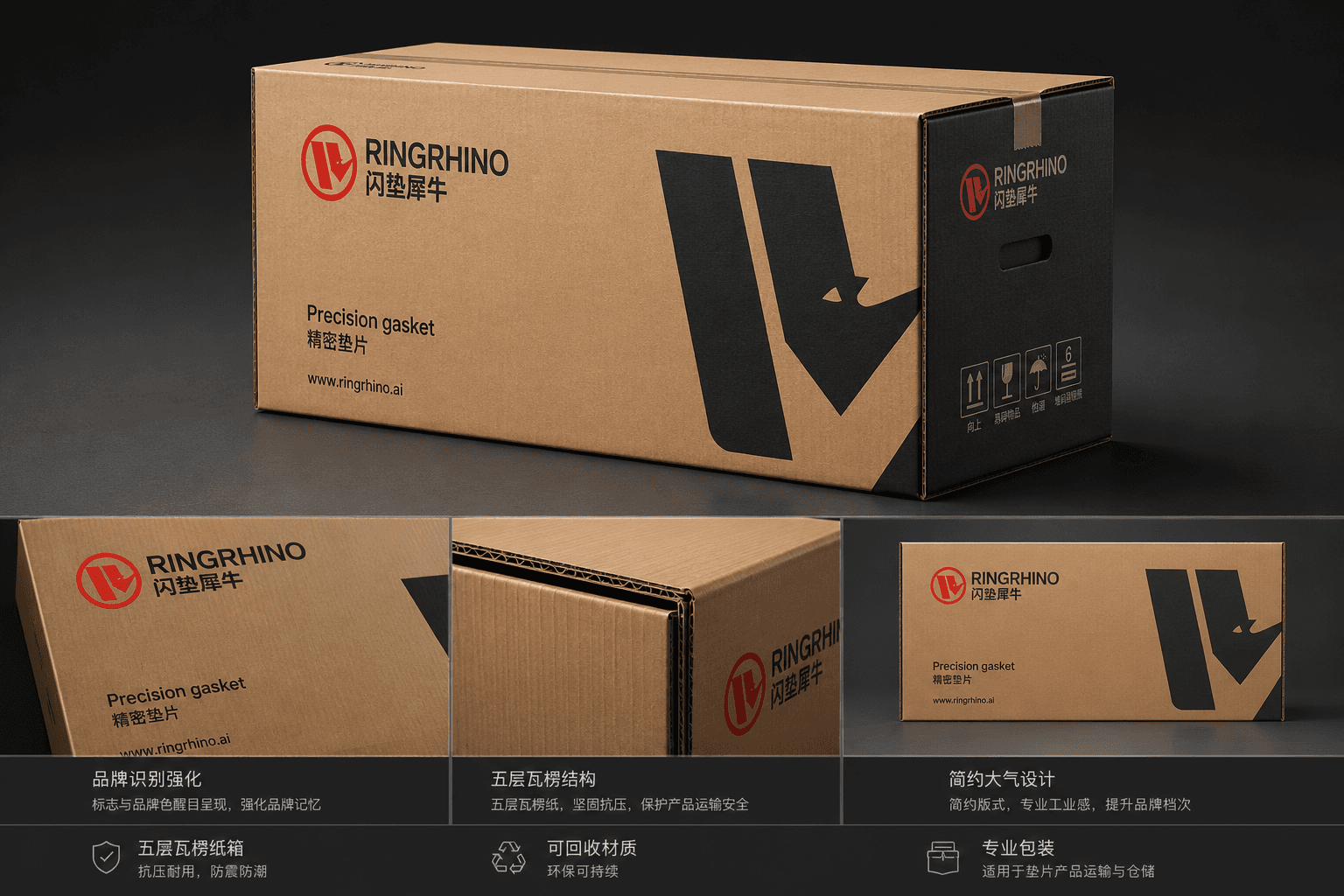
Packaging / 04
Packaging supports product identification, transport and storage. Confirm the final case, quantity and marking fields in the RFQ.
The image presents the brand packaging direction; the final packaging, marking fields and delivery documents follow the confirmed supply plan.

Quality & Inspection
Dimensions, appearance, hardness and batch documentation: clear inspection requirements support clear acceptance.
Knowledge / 05
Direct answers on standards, dimensions, hardness, finishes and RFQ descriptions.
The current edition, size range, key dimensional fields, technical requirements and treatment of legacy GB/T 93-1987 purchase documents.
How appearance, coating system, corrosion target, dimensional effect and hydrogen embrittlement affect finish selection.
A practical comparison of product structure, outside-diameter series, nominal ranges and available hardness levels.
How hardness levels support washer identification, selection and purchasing communication.
A field-by-field checklist for purchasing and technical confirmation of plain washers.
Current status, M6–M36 range, dimensional fields and purchasing requirements for GB/T 852-1988.
Request for quotation
Provide the standard, nominal size, hardness or material state, finish and quantity so the requirement can be checked clearly.